

Foto de Sharrie Shaw

Hotéis em Centro da Cidade de Solo, Surakarta
 Mudança de planos?Reserve hotéis com cancelamento grátis.
 Escolha a sua opção idealBusque entre quase um milhão de propriedades no mundo todo.
Consulte os preços para estas datas
Hoje à noite
Amanhã
Este fim de semana
Próximo fim de semana
Centro da Cidade de Solo - nossas melhores opções de hotéis


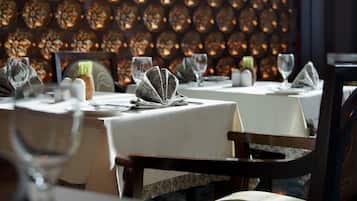
1. The Royal Surakarta Heritage - Handwritten Collection
The Royal Surakarta Heritage - Handwritten CollectionCentro da Cidade de Solo
8.2 de 10, Muito boa, (174 avaliações)
O preço é de R$ 149
Total: R$ 181
inclui impostos e taxas
7 de out. – 8 de out.
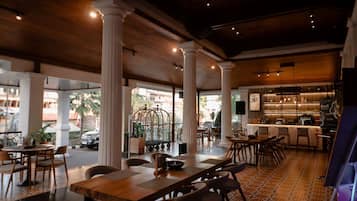
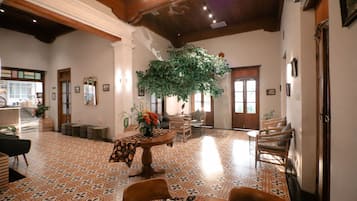

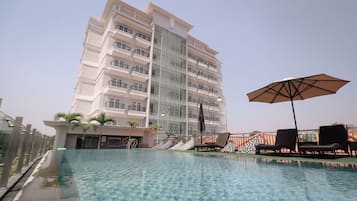
2. FIM by Zigna
FIM by ZignaCentro da Cidade de Solo
9.6 de 10, Extraordinária, (7 avaliações)
O preço é de R$ 102
Total: R$ 123
inclui impostos e taxas
14 de out. – 15 de out.

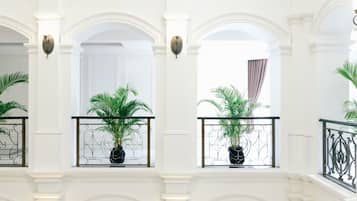
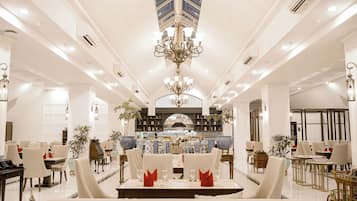

3. Mahalaya The Legacy Solo
Mahalaya The Legacy SoloCentro da Cidade de Solo
9.0 de 10, Maravilhosa, (7 avaliações)
"ロビーの吹き抜けが気持ちいいコロニアル風ビルのホテル。外出から戻り、レモングラスの香りが漂うロビーに入るとほっとしました。
滞在中、私の電子機器の不具合が原因で部屋が停電してしまったのですが(恐らくヒューズが飛んだ)、夜遅い時間にもかかわらずすぐにエンジニアが対応してくれ助かりました。
プールは小さく、プールサイドのスペースもあまりないので泳ぐのが好きな人には少し物足りないかもしれません。
プールサイドのカフェで滞在中1回、アフタヌーンティーのサービスがあり、インドネシアのお菓子が中心の素敵なセットで楽しくいただきました。また、ここのカフェはビールも提供しています。
メインダイニングは最上階にありますが、朝食会場も兼ねていて、カジュアルな雰囲気。夜はあまり利用者がないように見受けられました。
すぐ近くにショッピングモールがあり、ちょっとした買い物や上階のフードコートでの食事などに便利です。"

MIZUHO
O preço é de R$ 172
Total: R$ 208
inclui impostos e taxas
11 de out. – 12 de out.
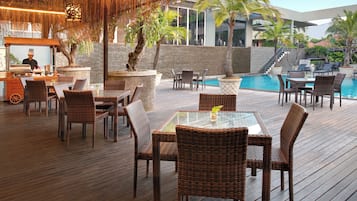
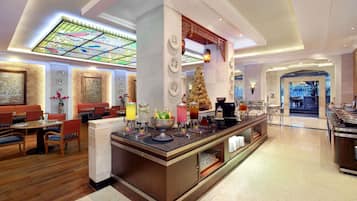

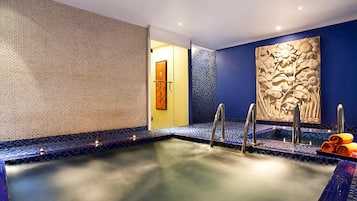
4. Novotel Solo
Novotel SoloCentro da Cidade de Solo
8.2 de 10, Muito boa, (123 avaliações)
O preço é de R$ 129
Total: R$ 156
inclui impostos e taxas
21 de out. – 22 de out.

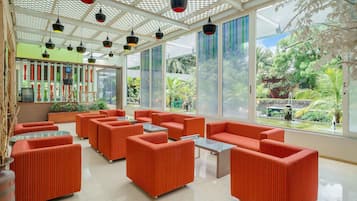

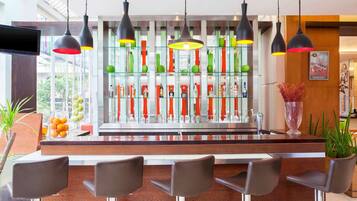
5. ibis Styles Solo
ibis Styles SoloCentro da Cidade de Solo
8.2 de 10, Muito boa, (109 avaliações)
O preço é de R$ 94
Total: R$ 114
inclui impostos e taxas
21 de out. – 22 de out.
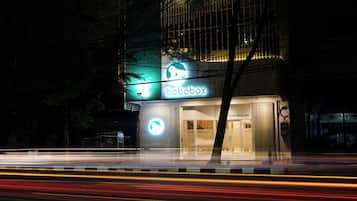
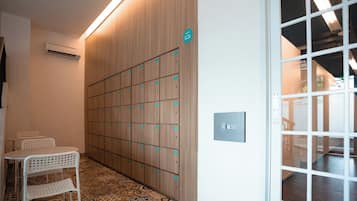

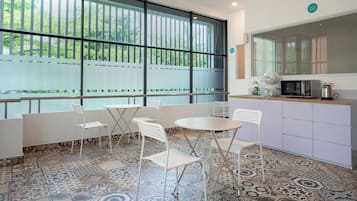
6. Bobopod Slamet Riyadi Solo
Bobopod Slamet Riyadi SoloCentro da Cidade de Solo
10.0 de 10, Extraordinária, (1 avaliação)
"matur nuwun"

Sri
O preço é de R$ 37
Total: R$ 42
inclui impostos e taxas
19 de out. – 20 de out.


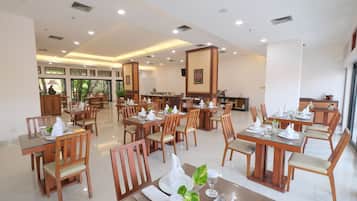
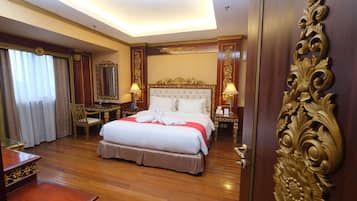
7. GRAND ORCHID HOTEL SOLO
GRAND ORCHID HOTEL SOLOCentro da Cidade de Solo
O preço é de R$ 76
Total: R$ 93
inclui impostos e taxas
20 de out. – 21 de out.
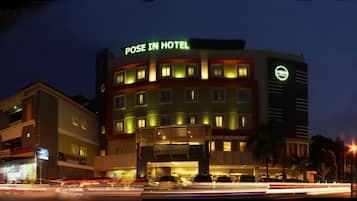
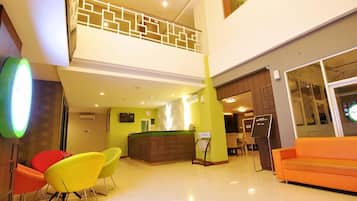


8. Pose in Solo by Wstay
Pose in Solo by WstayCentro da Cidade de Solo
6.8 de 10, (17 avaliações)
"Lekkage plafond en dat is al aangemeld maar was nog geen reactie van de personeel."

Pasri
O preço é de R$ 73
Total: R$ 89
inclui impostos e taxas
20 de out. – 21 de out.
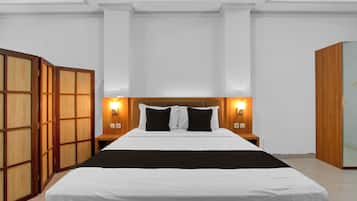
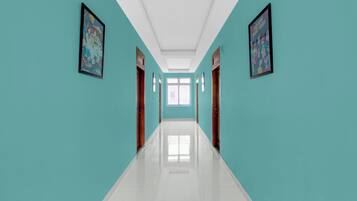
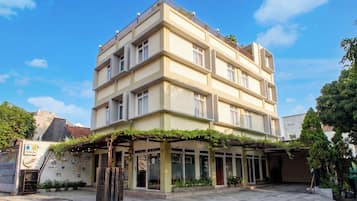

9. Collection O near Stasiun Solo Balapan f
Collection O near Stasiun Solo Balapan fCentro da Cidade de Solo
O preço é de R$ 25
Total: R$ 30
inclui impostos e taxas
8 de out. – 9 de out.
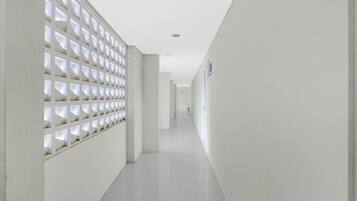
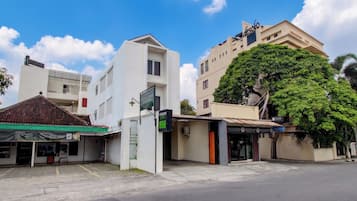
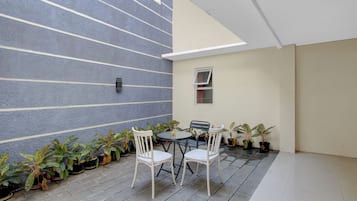

10. Hotel O near Taman Sriwedari formerly In
Hotel O near Taman Sriwedari formerly InCentro da Cidade de Solo
O preço é de R$ 36
Total: R$ 44
inclui impostos e taxas
7 de out. – 8 de out.
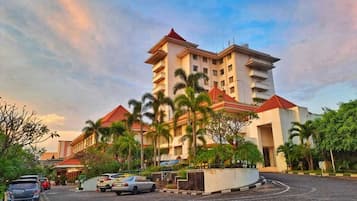


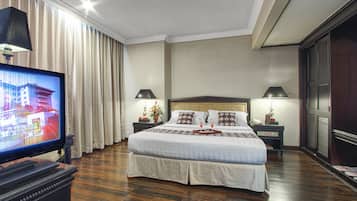
11. Sahid Jaya Hotel Solo
Sahid Jaya Hotel SoloCentro da Cidade de Solo
7.2 de 10, Boa, (24 avaliações)
O preço é de R$ 200
Total: R$ 242
inclui impostos e taxas
7 de out. – 8 de out.

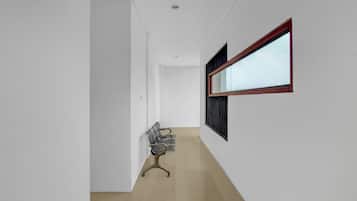
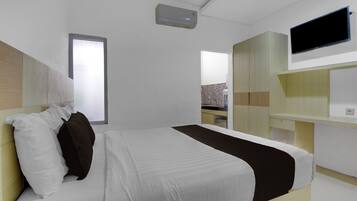

12. Hotel O near Pasar Gede Solo formerly In
Hotel O near Pasar Gede Solo formerly InCentro da Cidade de Solo
O preço é de R$ 29
Total: R$ 35
inclui impostos e taxas
8 de out. – 9 de out.


13. Rumah Turi Eco Hotel
Rumah Turi Eco HotelCentro da Cidade de Solo
7.8 de 10, Boa, (15 avaliações)
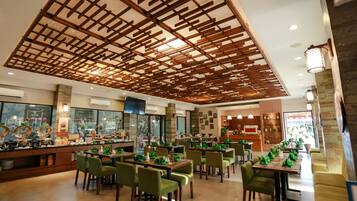
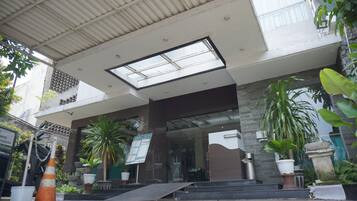
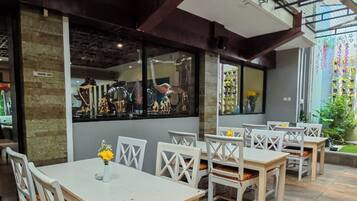
"We were disappointed with this hotel, although that may also be coloured by the fact we didn’t like Solo very much. When we first got in the room, it was very musty smelling (which is being generous about its smell). The room was very basic (which is fine) but there was no place at all to hang out outside despite having a big garden space. The garden is all plants and water features, no tables. The location was convenient to the train station but not really to “downtown”. Walking in Solo is not...

Rosann
O preço é de R$ 60
Total: R$ 72
inclui impostos e taxas
18 de out. – 19 de out.

14. Loji Hotel Solo by Wstay
Loji Hotel Solo by WstayCentro da Cidade de Solo
7.2 de 10, Boa, (17 avaliações)
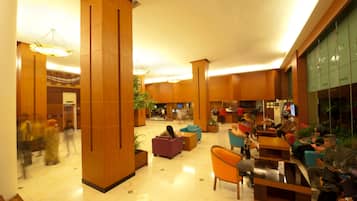
"The room and bed were big and comfortable, but no fridge and no safebox. Breakfast was really good, though. The hotel is very close to the Balapan train station, which is nice. It’s a decent budget place, but what makes me unable to recommend is because how dangerous the roads are around the hotel. I stay at places all over SE Asia, so I’m totally used to the motorbike madness. This place, though . . . It takes the cake."

James
O preço é de R$ 72
Total: R$ 88
inclui impostos e taxas
7 de out. – 8 de out.


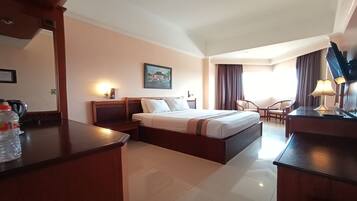
15. Hotel Asia
Hotel AsiaCentro da Cidade de Solo
6.0 de 10, (12 avaliações)
"Properti kurang terawat"
Giant
O preço é de R$ 108
Total: R$ 131
inclui impostos e taxas
5 de nov. – 6 de nov.
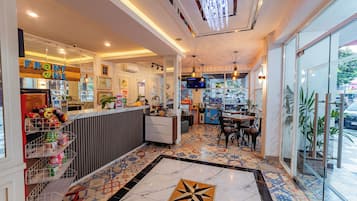


16. Front One Budget Hotel Slamet Riyadi Solo
Front One Budget Hotel Slamet Riyadi SoloCentro da Cidade de Solo
O preço é de R$ 87
Total: R$ 105
inclui impostos e taxas
7 de out. – 8 de out.
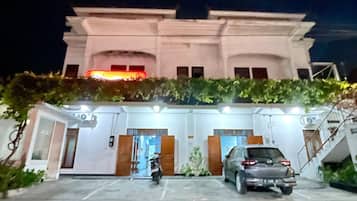

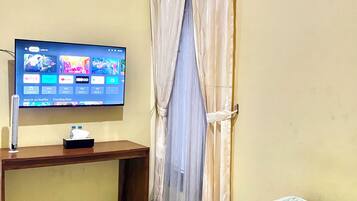

17. Telu Telu Solo
Telu Telu SoloCentro da Cidade de Solo
O preço é de R$ 38
Total: R$ 46
inclui impostos e taxas
12 de out. – 13 de out.
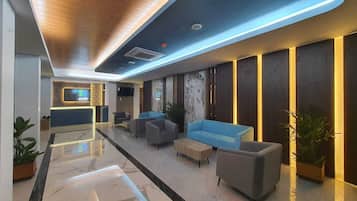
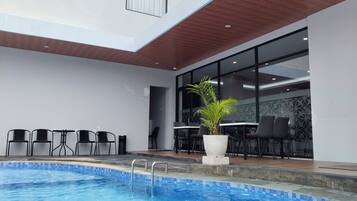
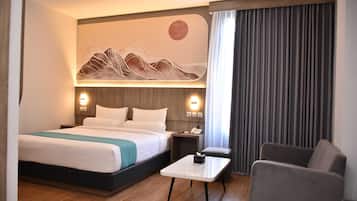

18. Front One Luxe Hotel Solo
Front One Luxe Hotel SoloCentro da Cidade de Solo
7.0 de 10, Boa, (2 avaliações)
"対応が良かったです"
Shigeki
O preço é de R$ 90
Total: R$ 136
inclui impostos e taxas
7 de out. – 8 de out.
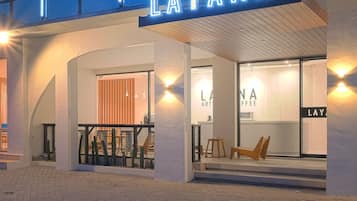
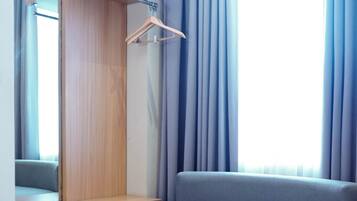

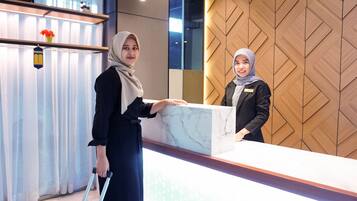
19. Horison Inn Laksana Solo
Horison Inn Laksana SoloCentro da Cidade de Solo
6.0 de 10, (7 avaliações)
"It was a super bad experience staying there. At sround 2.06 pm, they said that the room was not ready! That didn't make sense at all. Then they gave a smoking room!!!! Which smelled totally terrible! Inside the room, of course there were some coffee and tea, but guess what? Yuup! No electric water kettle. In conclusion, no more going back to this hotel, so sorry."
Sri
O preço é de R$ 60
Total: R$ 72
inclui impostos e taxas
18 de out. – 19 de out.
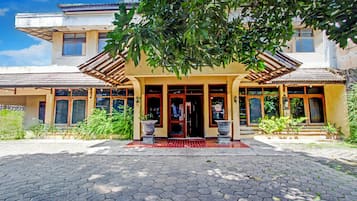


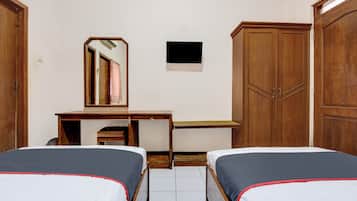
20. Hotel O Solo near Stasiun Solo Balapan formerly Hotel Trihadhi
Hotel O Solo near Stasiun Solo Balapan formerly Hotel TrihadhiCentro da Cidade de Solo
O preço é de R$ 450
Total: R$ 545
inclui impostos e taxas
20 de out. – 21 de out.
Preço mais baixo por diária encontrado nas últimas 24 horas, com base em uma estadia de 1 diária para 2 adultos. Os preços e a disponibilidade estão sujeitos a alterações. Termos adicionais se aplicam.
Compare hotéis populares - Centro da Cidade de Solo
Propriedade | Categoria da propriedade | Avaliação dos hóspedes | Café da manhã incluído | Piscina | Spa | Permite animais | Wi-Fi incluído | |
|---|---|---|---|---|---|---|---|---|
 FIM by Zigna | 9.6 Extraordinária 7 avaliações | Ver | ||||||
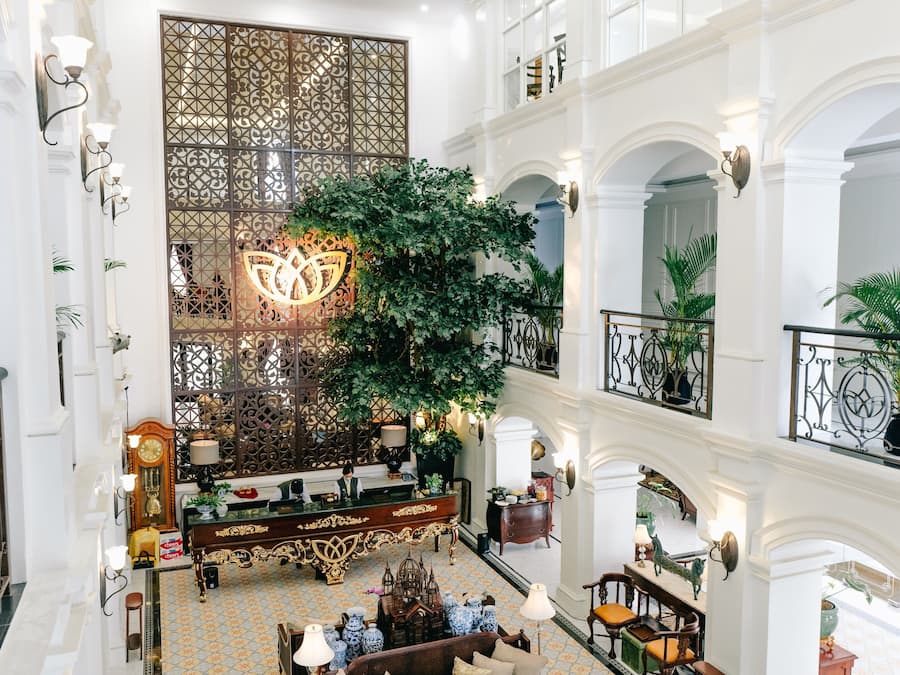 Mahalaya The Legacy Solo | 9.0 Maravilhosa 7 avaliações | Ver | ||||||
 Novotel Solo | 8.2 Muito boa 123 avaliações | Ver | ||||||
 ibis Styles Solo | 8.2 Muito boa 109 avaliações | Ver | ||||||
 The Royal Surakarta Heritage - Handwritten Collection | 8.2 Muito boa 174 avaliações | Ver |
Onde ficar – Centro da Cidade de Solo
Encontre os melhores bairros em Centro da Cidade de Solo para as atividades que você mais gosta. Mais informações sobre Centro da Cidade de Solo
Mais informações sobre Centro da Cidade de Solo
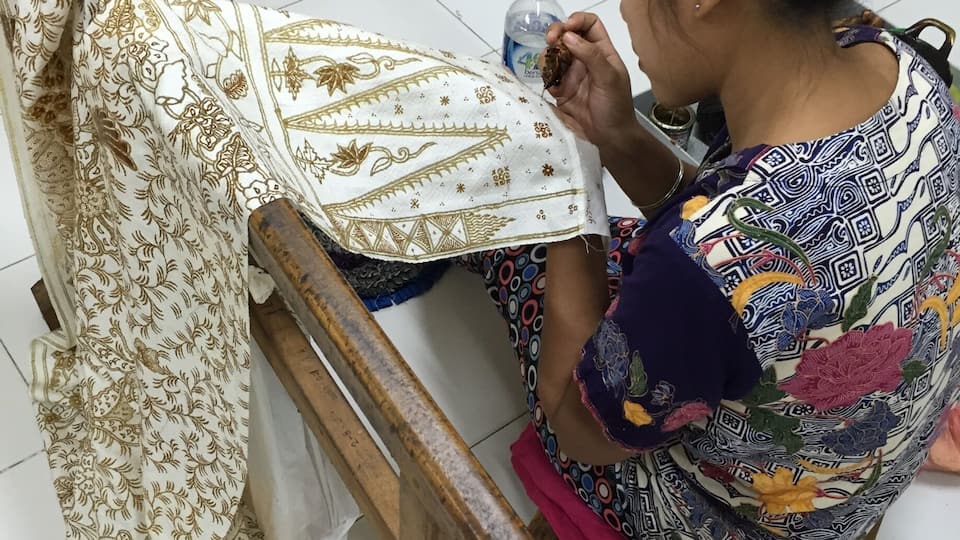
Foto de Sharrie Shaw
Foto grátis de Sharrie Shaw
Banjarsari
Se está planejando uma viagem a Banjarsari, atrações como Solo Paragon Lifestyle Mall e Taman Balekambang não podem ficar de fora do seu roteiro.
Laweyan
Ao planejar sua viagem a Laweyan, não deixe de incluir uma visita a atrações como Solo Paragon Lifestyle Mall e Solo Square no seu roteiro.