

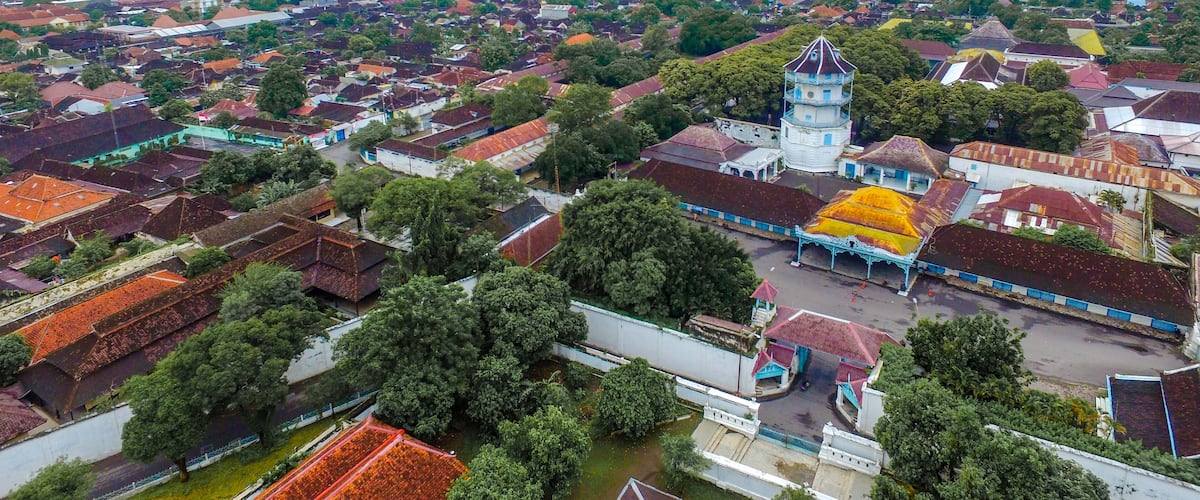
Aluguel de temporada em Surakarta
 Mudança de planos?Reserve hotéis com cancelamento grátis.
 Escolha a sua opção idealBusque entre quase um milhão de propriedades no mundo todo.
Consulte os preços para estas datas
Em 2 semanas
Em 2 meses
Em 3 meses
Em 4 meses
Surakarta - nossas melhores opções de aluguéis por temporada

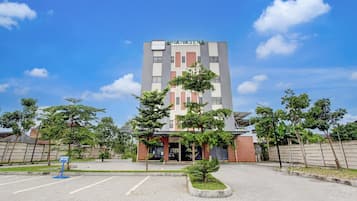
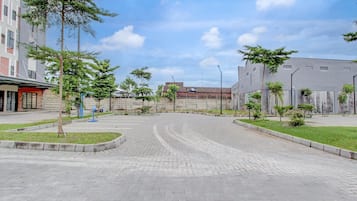

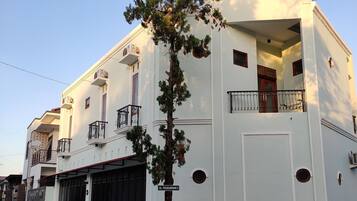
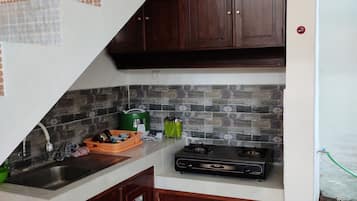
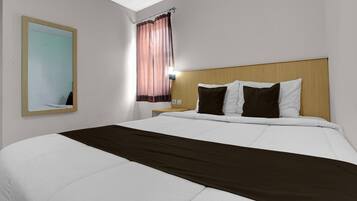
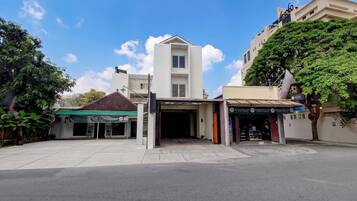
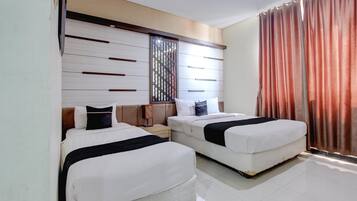
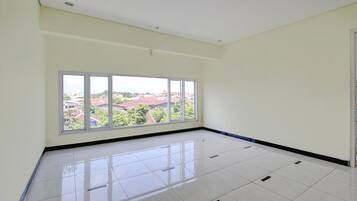
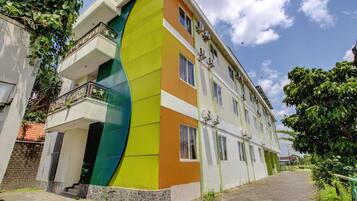
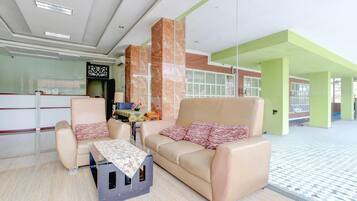
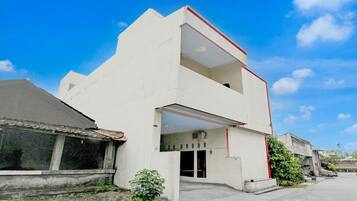
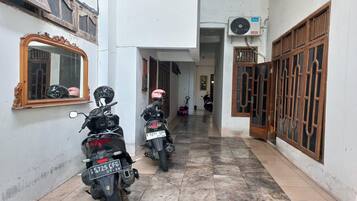
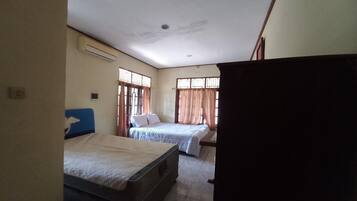
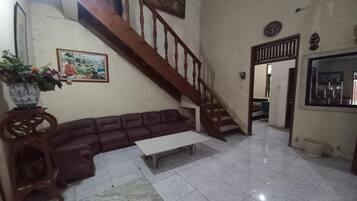
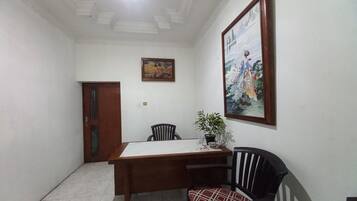
1. Stylish Deluxe Stay With Free Wifi and Parking
Stylish Deluxe Stay With Free Wifi and ParkingGrogol
O preço é de R$ 175
Total: R$ 212
inclui impostos e taxas
4 de out. – 5 de out.
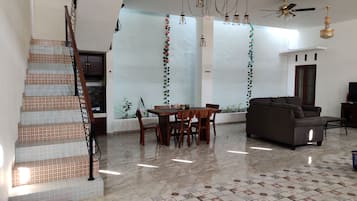

O preço é de R$ 551
Total: R$ 667
inclui impostos e taxas
30 de set. – 1 de out.

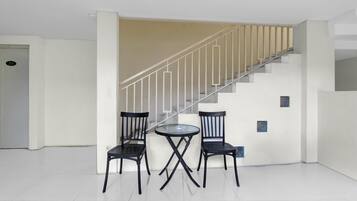
O preço é de R$ 111
Total: R$ 111
inclui impostos e taxas
5 de out. – 6 de out.
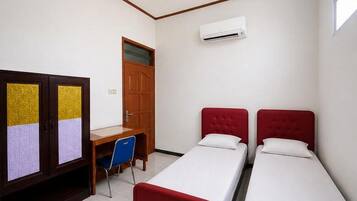

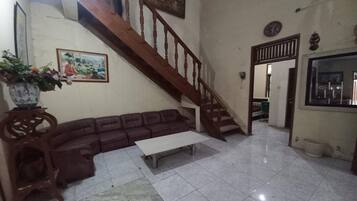

O preço é de R$ 90
Total: R$ 90
inclui impostos e taxas
30 de set. – 1 de out.
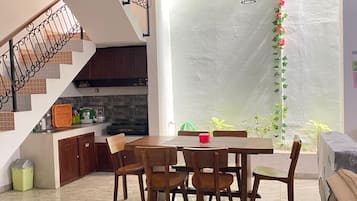



O preço é de R$ 285
Total: R$ 345
inclui impostos e taxas
15 de out. – 16 de out.
O preço é de R$ 153
Total: R$ 153
inclui impostos e taxas
1 de out. – 2 de out.



O preço é de R$ 127
Total: R$ 127
inclui impostos e taxas
1 de out. – 2 de out.


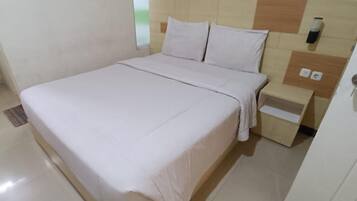
8. Luxury Deluxe DBL Retreat W/ Free WiFi and Parking
Luxury Deluxe DBL Retreat W/ Free WiFi and ParkingSolo
O preço é de R$ 129
Total: R$ 129
inclui impostos e taxas
30 de set. – 1 de out.
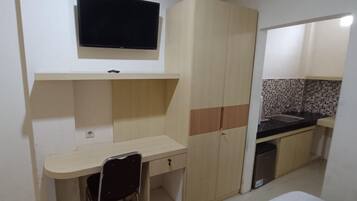
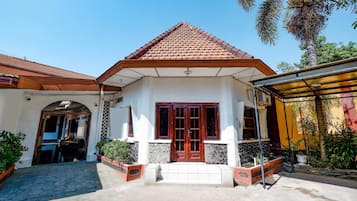


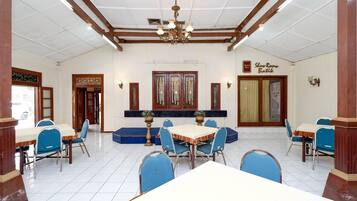

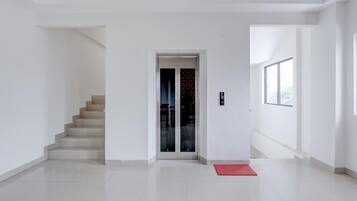
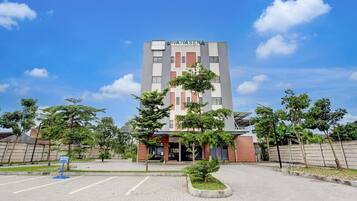

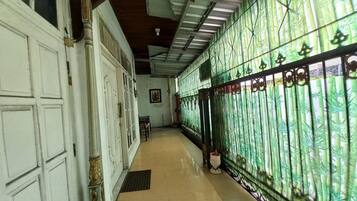
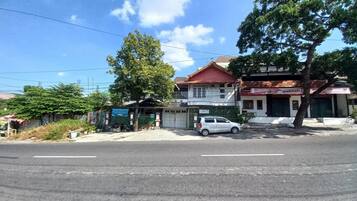
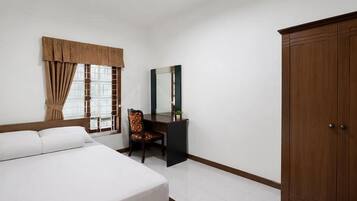
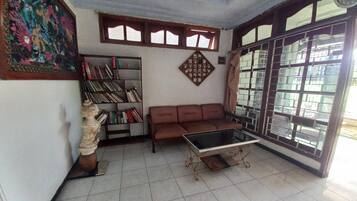
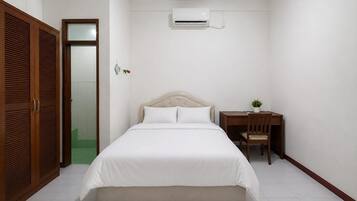
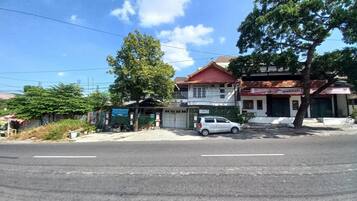
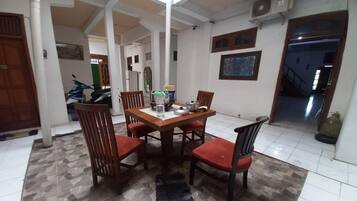
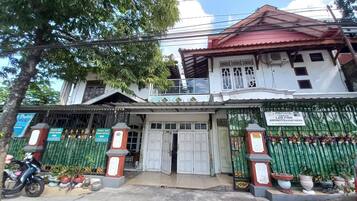
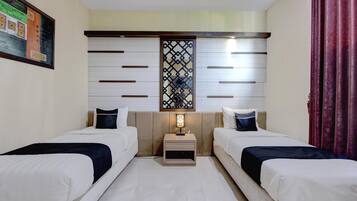

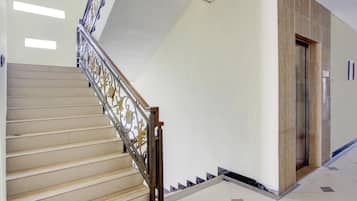

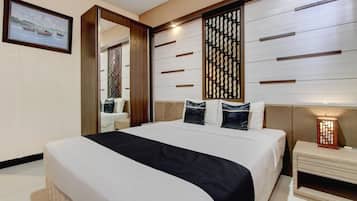
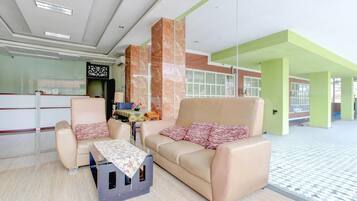
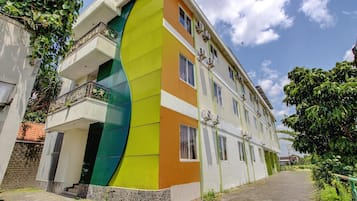
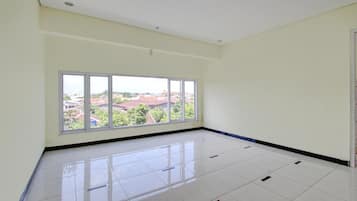


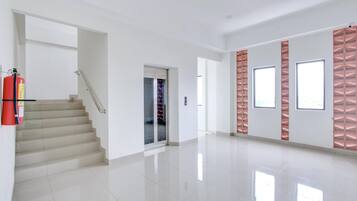

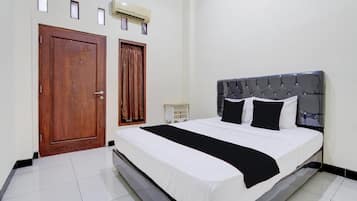
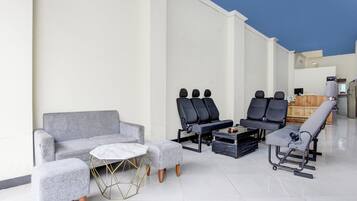
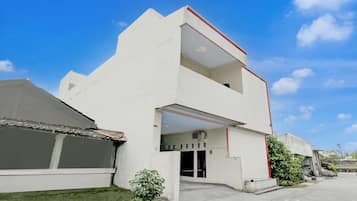

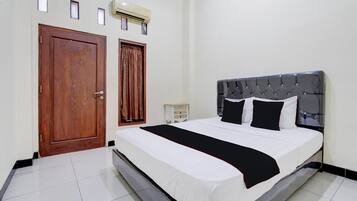
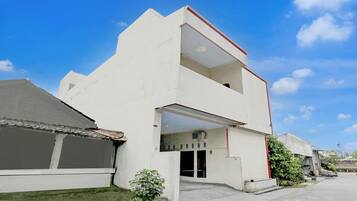


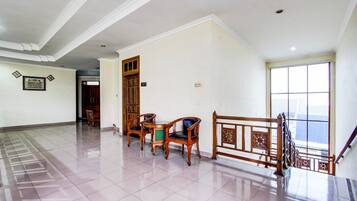


Preço mais baixo por diária encontrado nas últimas 24 horas, com base em uma estadia de 1 diária para 2 adultos. Os preços e a disponibilidade estão sujeitos a alterações. Termos adicionais se aplicam.
Encontre aluguéis por temporada para o seu estilo de viagem
Apartamentos
Vilas

Faça login e economize em média 15% em milhares de hotéis
Principais avaliações de hotéis - Surakarta
Saiba mais sobre Surakarta
Aluguel de temporada – Surakarta
Busque aluguéis de temporada em Surakarta na Expedia.com.br. Você pode encontrar casas, vilas e apartamentos para aluguel de temporada em Surakarta de várias maneiras:
- Veja nossa seleção de aluguéis para temporada em destaque em Surakarta
- Use o mapa para encontrar apartamentos e outras propriedades para aluguel de temporada no bairro de Surakarta que você preferir
- Informe as datas de viagem para ver as melhores ofertas de aluguel de temporada em Surakarta
Encontre tudo o que você precisa em nossa seleção de propriedades de aluguel de temporada em Surakarta.