O que fazer em Ngemplak
Guia de viagem
Visite Ngemplak
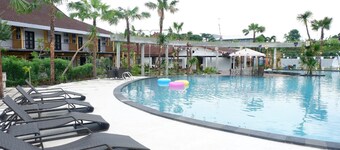
Ataya Hotel by Qinarya
JL. TENTARA PELAJAR, TEGALREJO, Ngemplak Central Javaa
Reserve uma estadia neste hotel em Ngemplak. Desfrute de Wi-Fi grátis, estacionamento grátis e café da manhã (sobretaxa). Atrações populares como The Heritage ...

Alila Solo, Java
Jl. Slamet Riyadi No. 562 Surakarta Central Java
Totalmente reembolsávelReserve agora, pague durante a estadia
O preço é de R$ 309 por diária para uma estadia de 25 de jan. a 26 de jan..
R$ 309
Total: R$ 374
25 de jan. – 26 de jan.
inclui impostos e taxas
Hospede-se neste hotel de luxo em Surakarta. Desfrute de Wi-Fi grátis, estacionamento grátis e um spa de serviço completo. Atrações populares como Solo Square ...
9,2/10 Wonderful! (136 avaliações)
By far the most beautiful hotel I've ever stayed in. Everything is thoughtfully arranged, spotlessly clean and athletically pleasing. The service is also excellent in every way.
Avaliada em 27 de dez. de 2025

Grand Mercure Solo Baru
Jl. Ir. Sukarno Solo Baru Grogol
O preço é de R$ 204 por diária para uma estadia de 21 de fev. a 22 de fev..
R$ 204
Total: R$ 246
21 de fev. – 22 de fev.
inclui impostos e taxas
Hospede-se neste hotel com spa em Grogol. Desfrute de Wi-Fi grátis, estacionamento grátis e um spa de serviço completo. Atrações populares como Hartono Mall ...
8,6/10 Excellent! (78 avaliações)
We arrived late and ordered room service dinner. Food was great, staff super helpful and friendly. Breakfast buffet also excellent. Enjoyed our short stay and will stay here again next trip to Solo.
Avaliada em 24 de dez. de 2025
Preço mais baixo por noite encontrado nas últimas 24 horas, com base em uma estadia de 1 diária para 2 adultos. Os preços e a disponibilidade estão sujeitos a alterações. Termos adicionais se aplicam.

Azana Essence Selo Boyolali
Gebyog Selo Jawa Tengah
Reserve uma estadia nesta vila em Selo. Desfrute de Wi-Fi grátis, estacionamento grátis e recepção 24 horas. Atrações populares como Parque Nacional de Gunung ...

ZG Home Solo
No.8-4 Jl. Pajajaran I Surakarta Jawa Tengah
Reserve uma estadia nesta vila em Surakarta. Esta propriedade oferece Wi-Fi grátis. Atrações populares como Taman Balekambang e Solo Paragon Lifestyle Mall ficam ...

Hotel D'Madinah Inn - Gentan
57556 Cantika Pastika Mangesti Baki Jawa Tengah
Reserve uma estadia neste apart-hotel em Baki. Esta propriedade conta com: Wi-Fi grátis e estacionamento grátis. Atrações populares como Solo Square e Universitas ...
Preço mais baixo por noite encontrado nas últimas 24 horas, com base em uma estadia de 1 diária para 2 adultos. Os preços e a disponibilidade estão sujeitos a alterações. Termos adicionais se aplicam.
![At the museum no photos are allowed which is really unfortunate as it was well worth the visit and the guided tour is definitely not to be missed. In the museum there are even Batik made from the Dutch era which depicts stories like Little Red Riding Hood and Snow White!
I enjoyed the tour v much and at the end of the tour we were brought to this room where the artisan were working on hand drawn batik.
Below is an excerpt from Wikipedia for anyone interested in learning more about the process of batik making.
Firstly, a cloth is washed, soaked and beaten with a large mallet. Patterns are drawn with pencil and later redrawn using hot wax, usually made from a mixture of paraffin or bees wax, sometimes mixed with plant resins, which functions as a dye-resist. The wax can be applied with a variety of tools. A pen-like instrument called a canting (IPA: [tʃantiŋ], sometimes spelled with old Dutch orthography tjanting) is the most common. A canting is made from a small copper reservoir with a spout on a wooden handle. The reservoir holds the resist which flows through the spout, creating dots and lines as it moves. For larger patterns, a stiff brush may be used. Alternatively, a copper block stamp called a cap (IPA: [tʃap]; old spelling tjap) is used to cover large areas more efficiently.
After the cloth is dry, the resist is removed by scraping or boiling the cloth. The areas treated with resist keep their original color; when the resist is removed the contrast between the dyed and undyed areas forms the pattern. This process is repeated as many times as the number of colors desired.
The most traditional type of batik, called batik tulis (written batik), is drawn using only the canting. The cloth need to be drawn on both sides and dipped in a dye bath three to four times. The whole process may take up to a year; it yields considerably finer patterns than stamped batik.
Source: Wikipedia](https://images.trvl-media.com/place/6224808/26fd1460-c65a-4c1a-9444-7a893e883ac9.jpg?impolicy=fcrop&w=512&h=288&q=medium)