

Calle de Alcalá
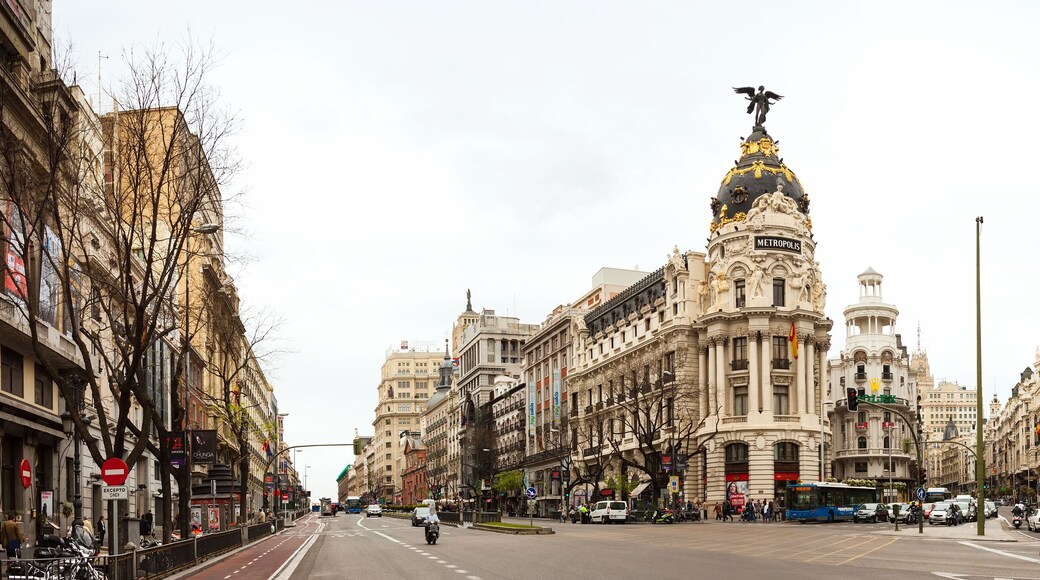
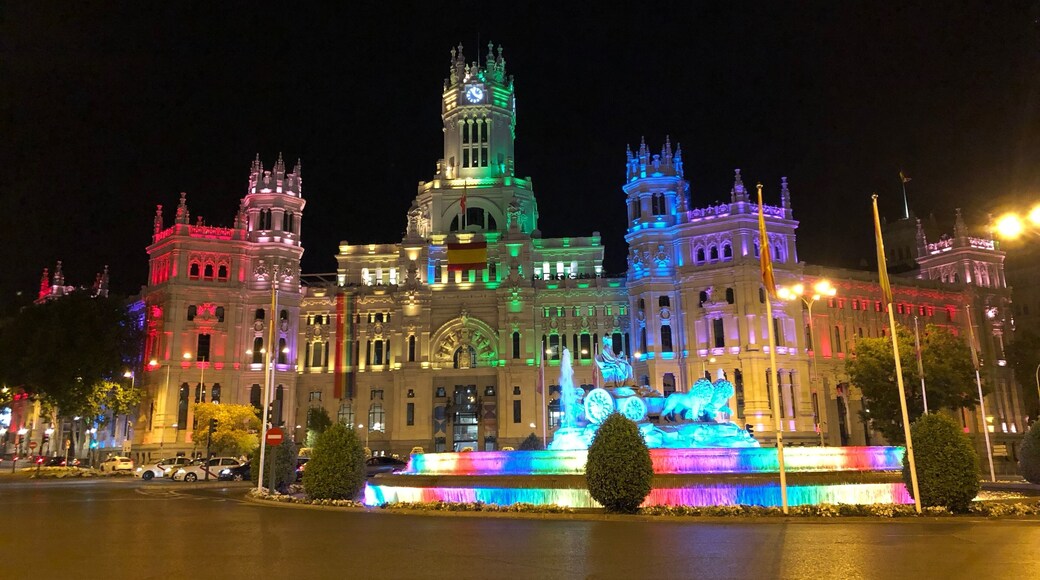
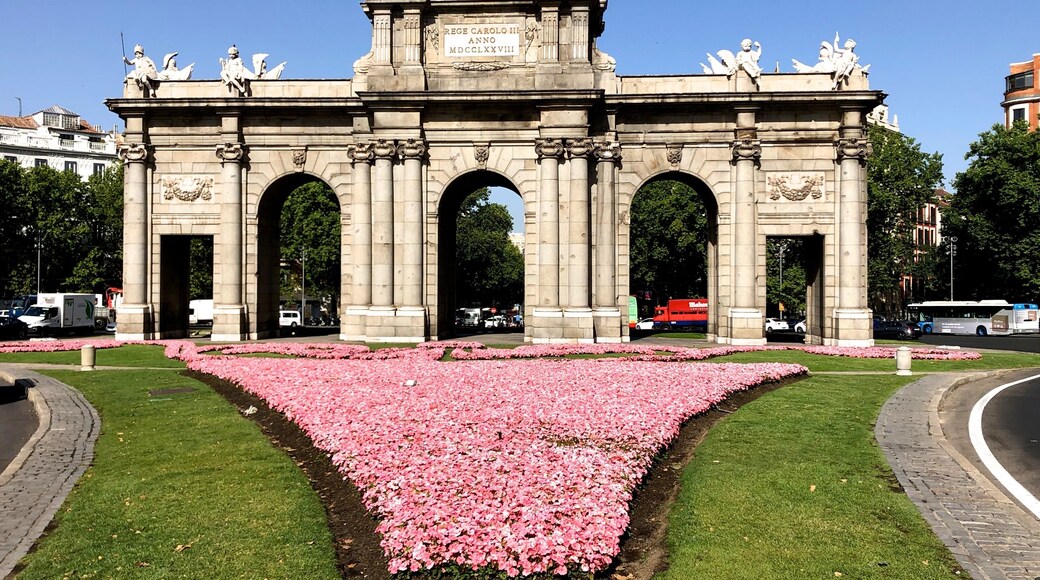
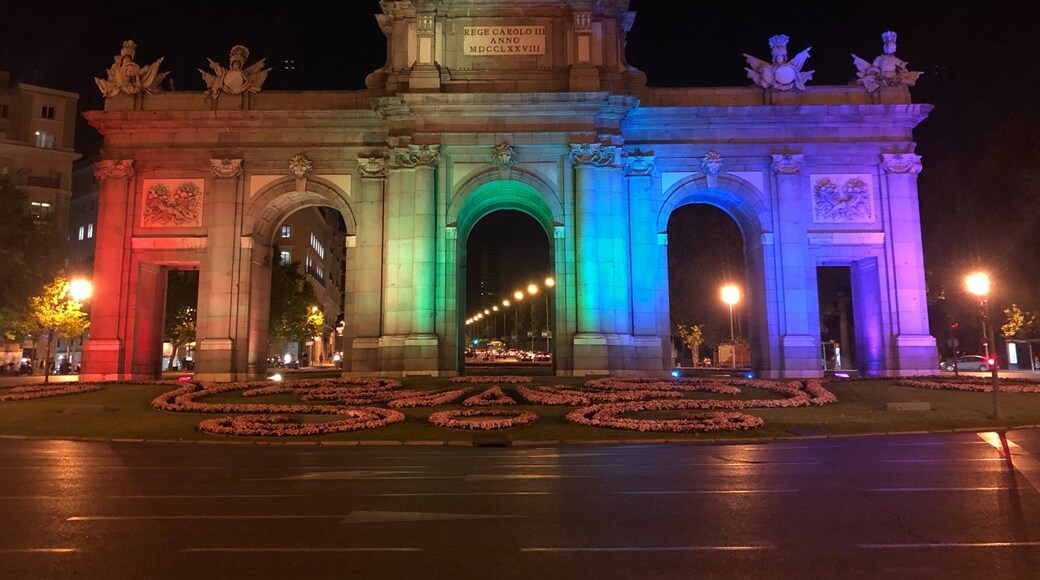
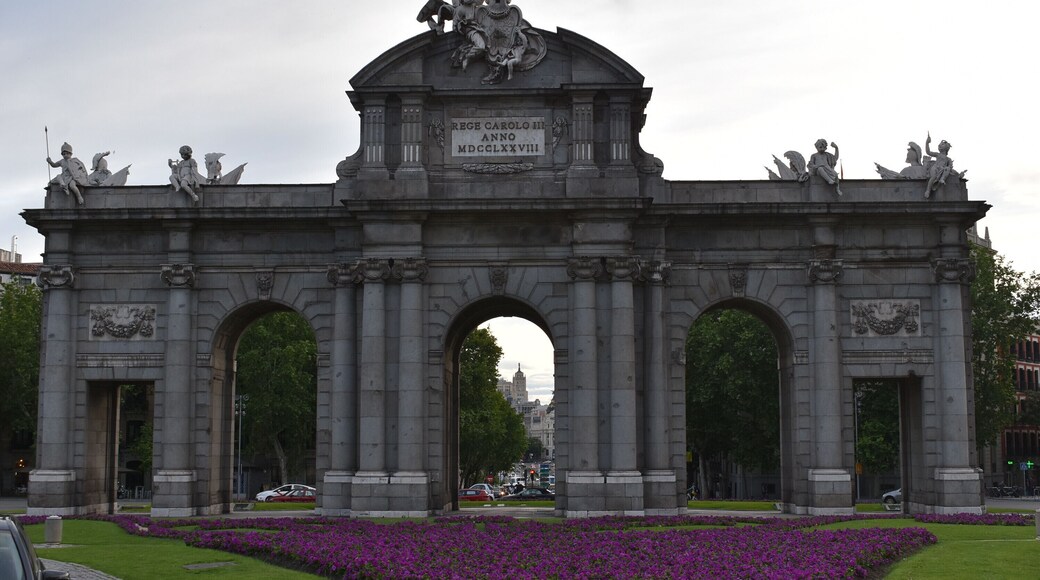
Visite Calle de Alcalá
Excursões e passeios de um dia
Ver todas as 601 atividades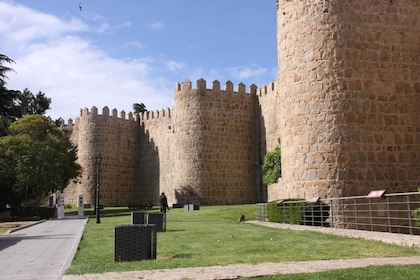
Saindo de Madri: Excursão de dia inteiro a Ávila e Segóvia
A atividade dura 9 horas
9.4 de 10, com base em 252 avaliações
Cancelamento grátis
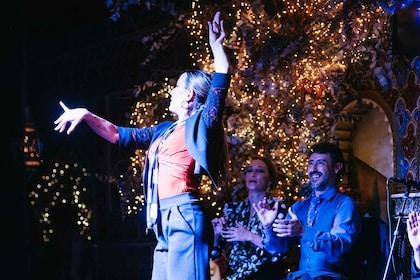


Excursões privadas e personalizadas
Ver todas as 211 atividades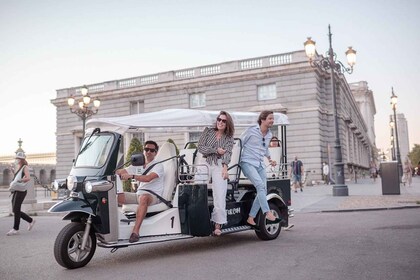
Madri: Passeio privado pela cidade em Eco Tuk Tuk
A atividade dura 1 hora
9.8 de 10, com base em 1109 avaliações
Cancelamento grátis


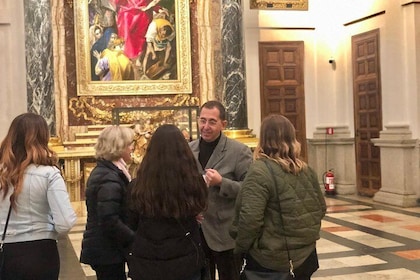


Aventura e atividades ao ar livre
Ver todas as 52 atividadesMadri: Passeio privado pela cidade em Eco Tuk Tuk
A atividade dura 1 hora
9.8 de 10, com base em 1109 avaliações
Cancelamento grátis


Aulas e cursos
Ver todas as 46 atividades
Aula de Culinária 100% Prática Paella Tapas Sangria em Madri
A atividade dura 4 horas
10.0 de 10, com base em 552 avaliações
Cancelamento grátis


Atrações
Ver todas as 17 atividades
Madri: Ingresso para o Warner Park
8.8 de 10, com base em 36 avaliações


Fique perto de atrações populares em Calle de Alcalá
As melhores ofertas de hotéis
Veja a disponibilidade de hotéis próximos: Calle de Alcalá

Hotel Regina
Alcala 19 Madrid Madrid

Latroupe Prado
Paseo de las Delicias 1 Madrid

Hotel Riu Plaza España
C/ Gran Via, 84 Madrid

Hard Rock Hotel Madrid
Ronda de Atocha 17 Madrid
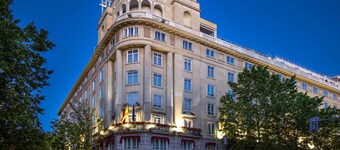
Wellington Hotel & Spa Madrid
Velazquez 8 Madrid Madrid

Novotel Madrid Center
O'donnell 53 Madrid Madrid

Room Mate Macarena, Madrid Gran Vía
Gran Vía 43 Madrid

Live It Gran Via
Calle Gran Vía 36 Madrid

H10 Puerta de Alcalá 4* Sup
Alcala, 66 Madrid Madrid
Preço mais baixo por noite encontrado nas últimas 24 horas, com base em uma estadia de 1 diária para 2 adultos. Os preços e a disponibilidade estão sujeitos a alterações. Termos adicionais se aplicam.
Conheça o mundo com a Expedia
- Aluguéis de carros - ABC Serrano e arredores
- Carros de aluguel - aeroporto de Adolfo Suárez Madrid-Barajas
- Aluguel de carros - Alcalá de Henares
- Aluguéis de carros - Almenara e arredores
- Aluguéis de carros - Atocha e arredores
- Aluguéis de carros - Austrias e arredores
- Aluguéis de carros - Avenida de Portugal e arredores
- Aluguéis de carros - Avenida e arredores
- Aluguéis de carros - Casa Árabe e arredores
- Aluguéis de carros - Casa de la Entrevista e arredores
- Aluguéis de carros - Catedral de Santa Maria Madalena e arredores
- Aluguéis de carros - Centro de Madri e arredores
- Aluguéis de carros - Centro Nacional de Golf e arredores
- Aluguéis de carros - Cortes e arredores
- Aluguel de carros - El Álamo
- Aluguéis de carros - El Corte Inglés e arredores
- Aluguéis de carros - El Salvador e arredores
- Aluguéis de carros - Embaixada dos EUA e arredores
- Aluguéis de carros - Fuente de los Galápagos e arredores
- Aluguéis de carros - Golf Park e arredores
- Aluguéis de carros - Gran Via e arredores
- Aluguéis de carros - Hospital Sur e arredores
- Aluguel de carros - Humanes de Madrid
- Aluguéis de carros - Ibiza e arredores
- Aluguéis de carros - Igreja de Santo André e arredores
- Aluguéis de carros - Igreja de São Francisco de Borja e arredores
- Aluguéis de carros - Igreja de São Manuel e São Benedito e arredores
- Aluguéis de carros - Igreja se São Jerônimo El Real e arredores
- Aluguéis de carros - Imperial e arredores
- Aluguéis de carros - Joy Madrid e arredores
- Aluguel de carros - Las Rozas de Madrid
- Aluguéis de carros - Latina e arredores
- Aluguéis de carros - Lista e arredores
- Aluguéis de carros - Los Rápidos e arredores
- Aluguéis de carros - Madri e arredores
- Aluguéis de carros - Madrid Arena e arredores
- Aluguéis de carros - Madrid Fly e arredores
- Aluguéis de carros - Matadero Madrid e arredores
- Aluguéis de carros - Museo del Ferrocarril de Madrid e arredores
- Aluguel de carros - Navalcarnero
- Aluguéis de carros - Pacífico e arredores
- Aluguéis de carros - Paróquia de Nossa Senhora do Carmo e São Luís e arredores
- Aluguéis de carros - Parque París e arredores
- Aluguéis de carros - Parque Warner Madrid e arredores
- Aluguel de carros - Pinto
- Aluguéis de carros - Plaza de España e arredores
- Aluguéis de carros - Plaza de Santo Domingo e arredores
- Aluguéis de carros - Plaza San Martín e arredores
- Aluguéis de carros - Plus Ultra Seguros e arredores
- Aluguéis de carros - Puerta de Europa e arredores
- Aluguéis de carros - Puerta de Madrid e arredores
- Aluguéis de carros - San Andrés e arredores
- Aluguéis de carros - Senado da Espanha e arredores
- Aluguéis de carros - Star Flyer e arredores
- Aluguéis de carros - Top Spin e arredores
- Aluguel de carros - Torres de la Alameda
- Aluguéis de carros - Universidad Autónoma de Madrid e arredores
- Aluguéis de carros - Universidade Europeia de Madri e arredores
- Aluguéis de carros - Comunidade de Madri e arredores