
O que fazer em Bulukerto
Guia de viagem
Visite Bulukerto
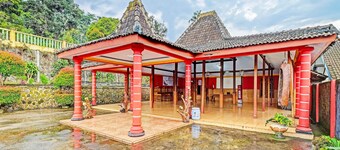
OYO Homes 91095 Desa Wisata Conto
Jawa Tengah Bulukerto Central Java
Reserve uma estadia neste hotel em Bulukerto. Desfrute de serviço diário de arrumação, um jardim e canais de TV a cabo. Atrações populares como Cascata de Tirtasari ...

Homes Desa Wisata Conto
Bulukerto, Wonogiri, Jawa Tengah, Indonesia Bulukerto Central Java
Reserve uma estadia neste hotel em Bulukerto. Atrações populares como Cascata de Tirtasari e Lago Sarangan ficam nas proximidades do local.

Grand Wijaya Hotel dan Villa Sarangan
Jalan kembar sarangan No.200, Sarangan Plaosan Jawa Timur
O preço é de R$ 112 por diária para uma estadia de 27 de out. a 28 de out..
R$ 112
Total: R$ 136
27 de out. – 28 de out.
inclui impostos e taxas
Reserve uma estadia neste hotel em Plaosan. Desfrute de café da manhã grátis, Wi-Fi grátis e estacionamento grátis. Atrações populares como Lago Sarangan e Cascata ...
8/10 Muito boa! (1 avaliação)
"The villa we stayed in was great for a big family. The hotel staff from the receptionists to the waiters were very friendly and helpful. The food we ordered was delicious. I will definitely recommend it to my friends."
Avaliada em 18 de ago. de 2026
Preço mais baixo por noite encontrado nas últimas 24 horas, com base em uma estadia de 1 diária para 2 adultos. Os preços e a disponibilidade estão sujeitos a alterações. Termos adicionais se aplicam.
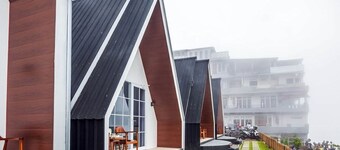
Harmadha Glamping
JL Telaga Sarangan, RT 07 RW 01 Plaosan Jawa Timur
Reserve uma estadia nesta casa de campo em Plaosan. Desfrute de Wi-Fi grátis, estacionamento grátis e recepção 24 horas. Atrações populares como Lago Sarangan ...
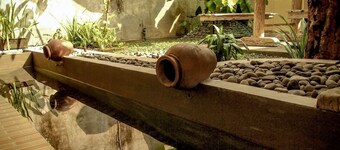
Villa Pojok
Jl Telaga Sarangan, Magetan Plaosan East Java
Reserve uma estadia nesta vila em Plaosan. Desfrute de Wi-Fi grátis, estacionamento grátis e recepção 24 horas. Atrações populares como Lago Sarangan e Cascata ...

Samara Villa by Sinergi
Jl. Raya Matesih-Tawangmangu, RT.003/RW.003, Nano, Tawangmangu, Kec. Tawangmangu Jawa Tengah Jawa Tengah
Reserve uma estadia nesta vila em Tawangmangu. Desfrute de Wi-Fi grátis, estacionamento grátis e recepção 24 horas. Atrações populares como Cascata de Grojogan ...
Preço mais baixo por noite encontrado nas últimas 24 horas, com base em uma estadia de 1 diária para 2 adultos. Os preços e a disponibilidade estão sujeitos a alterações. Termos adicionais se aplicam.